
Nestled in Central America, Costa Rica is renowned worldwide for its stunning biodiversity and vibrant ecosystems. From lush rainforests to pristine beaches, this small country packs a punch when it comes to wildlife diversity. The Guanacaste province, in particular, stands out as a haven for animal species, thriving in its sun-drenched landscapes and protected conservation areas. Visitors and nature enthusiasts alike can find an incredible array of creatures, from playful monkeys to majestic big cats, each playing a vital role in the country’s ecological tapestry.
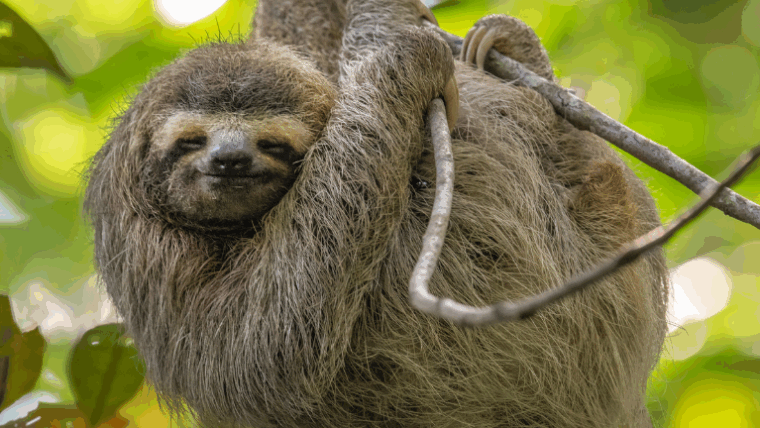
One of the most iconic animals in Costa Rica is the sloth. Often seen hanging languidly from tree branches, the two-toed and three-toed sloths have become symbols of the country’s relaxed pace of life. These gentle creatures are perfectly adapted to their arboreal lifestyle, moving slowly and conserving energy. Exploring Guanacaste’s forests offers a remarkable chance to observe these charming animals in their natural habitat. Their slow movements and peaceful demeanor remind us of the importance of conservation efforts to protect such slow-moving treasures from habitat loss.
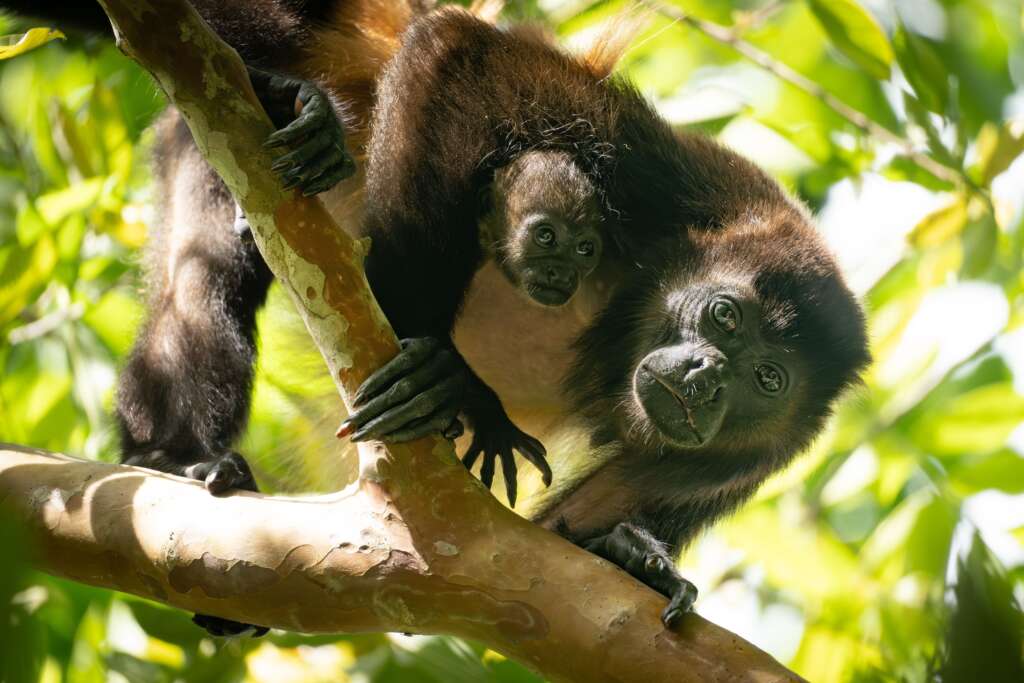
Another familiar sight in Costa Rican forests are the monkeys, particularly the howler monkeys and the white-faced monkeys. Howler monkeys, recognized by their loud, guttural calls, are among the most vocal animals in the region. Their calls can be heard echoing through the canopy, signaling their presence to other troops and marking territory. They are often seen swinging effortlessly between branches, engaging in social behaviors that highlight their complex social structures. Alongside them roam the white-faced monkeys, known scientifically as capita. With their distinctive white faces and expressive eyes, these monkeys are curious and intelligent, often approaching humans when they feel safe. Their playful antics add vibrancy to the rainforest scene and underscore the importance of healthy forests for primate survival.
Guanacaste’s wilderness is also home to some of the most formidable predators in the region: jaguars and ocelots. These elusive big cats are seldom seen but are crucial indicators of a healthy ecosystem. Jaguars, the largest feline in the Americas, play a vital role as apex predators, helping to maintain the balance of their environment by controlling populations of herbivores and smaller predators. Ocelots, smaller but equally graceful, are nocturnal hunters that ambush their prey with stealth. Protecting these majestic cats requires concerted conservation efforts, and various initiatives in Guanacaste are dedicated to their preservation. For example, organizations like the National System of Conservation Areas (SINAC) work tirelessly to protect habitats critical to big cats and other wildlife. More information on conservation initiatives in Guanacaste can be found at Guanacaste Conservation Site.
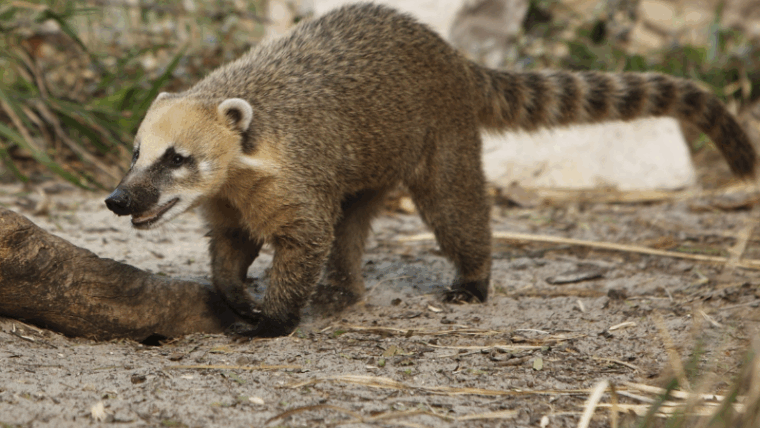
Moving from the forest to the coast, the wildlife diversity continues with the presence of coatis and toucans. Coatis are fascinating members of the raccoon family, known for their long, flexible noses and social behavior. Often seen foraging on the ground or climbing trees, coatis are highly adaptable and indicative of healthy, varied habitats. They play a role in dispersing seeds and maintaining forest regeneration.
Toucans, with their large, colorful beaks and striking plumage, are one of the most recognizable bird species in Costa Rica. These vibrant birds are often seen flitting through the canopy, searching for fruits and insects. Their distinctive calls add a joyful soundtrack to the forest environment, and their presence highlights the rich diversity of avian life in Guanacaste. The coastal regions and forest edges of Guanacaste serve as vital nesting and feeding sites for toucans and many other bird species, emphasizing the importance of habitat protection.
Costa Rica’s commitment to conservation is evident through numerous protected areas and environmental programs aimed at safeguarding its diverse wildlife. The Guanacaste Conservation Area network includes national parks and reserves that serve as sanctuaries for many species. These protected zones provide refuge not only for charismatic species like jaguars and monkeys but also for countless insects, amphibians, and plants that form the intricate web of life in the region.
The country’s efforts to promote sustainable ecotourism also contribute to wildlife preservation. Visitors are encouraged to explore responsibly, support local conservation projects, and learn about the importance of biodiversity. Organizations working in Guanacaste, such as the Costa Rican Conservation Foundation, offer educational programs and volunteer opportunities to engage travelers in conservation work. For more details on conservation activities in Guanacaste and how you can participate, visit Costa Rican Conservation Foundation.
In conclusion, Costa Rica’s wildlife diversity, especially in Guanacaste, is truly remarkable. From the slow-moving sloth to the powerful jaguar, each animal is part of a complex web of life that depends on healthy ecosystems and effective conservation strategies. The presence of primates, big cats, colorful toucans, and other species highlights the importance of preserving these habitats for future generations. Whether you are a wildlife enthusiast, a photographer, or simply someone who appreciates nature.