
Nestled in the northwestern corner of Costa Rica, Guanacaste province is a captivating destination that stands out among the country’s seven provinces. While each province has its unique charm and attractions, Guanacaste is particularly renowned for its stunning beaches, vibrant culture, and sunny disposition. To truly appreciate what makes Guanacaste special, it’s helpful to take a brief look at Costa Rica’s other provinces—San José, Alajuela, Heredia, Cartago, Limón, and Puntarenas—and then delve into what sets Guanacaste apart.
Costa Rica’s provinces each bring their own flavor to the nation’s rich tapestry. San José, the capital province, is the bustling heart of government and urban life. It’s home to vibrant markets, historic sites, and a lively arts scene. Nearby, Alajuela offers a mix of beautiful waterfalls and proximity to Juan Santamaría International Airport, making it a key gateway to the country. Heredia, often referred to as the “City of Flowers,” boasts a rich colonial architecture and lush coffee plantations. Cartago features ancient ruins and religious sites, reflecting Costa Rica’s colonial past. Limón, located on the Caribbean side, is renowned for its Afro-Caribbean culture, vibrant spice markets, and lush rainforests. Puntarenas, stretching along the Pacific coast, provides a gateway to more remote and pristine beaches and islands.
Guanacaste, however, is distinguished by its unparalleled sunshine, extensive coastlines, and laid-back lifestyle. Known as the “Gold Coast” or “Costa Rica’s Sunshine Province,” it enjoys a dry tropical climate with less rainfall than other regions, especially during the dry season, making it an ideal destination for beach lovers and outdoor enthusiasts alike.
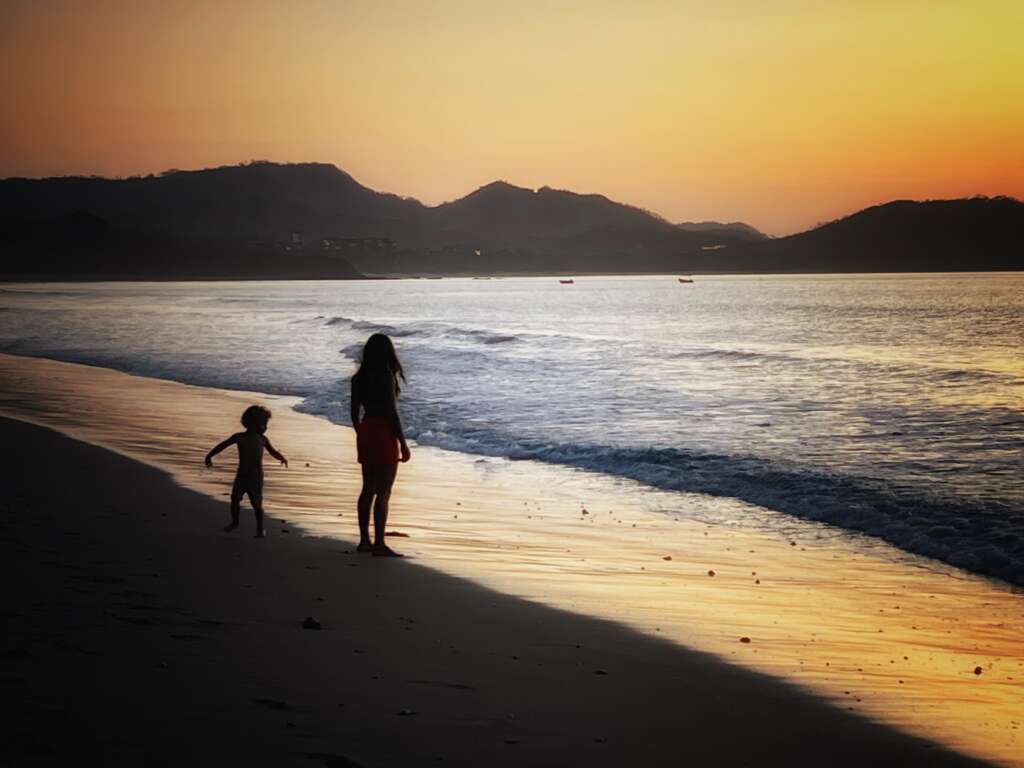
One of Guanacaste’s most defining features is its spectacular beaches. From the golden sands of Playa Hermosa and Playa Flamingo to the surf breaks of Playa Tamarindo, the province boasts some of the best beaches in Central America. These beaches are not only stunning but also offer excellent conditions for surfing, snorkeling, paddleboarding, and sunbathing. The clear blue waters and golden sands create a quintessential tropical paradise, attracting surfers, families, honeymooners, and eco-tourists from around the world.
Beyond beaches, Guanacaste is home to exotic landscapes that include volcanic mountains, lush dry forests, and expansive plains. The Rincon de la Vieja Volcano National Park stands out as a must-visit, offering volcanic landscapes, bubbling mud pots, hot springs, waterfalls, and a variety of wildlife. Adventure seekers can hike, zip-line, or soak in thermal springs—activities that highlight the region’s natural diversity.
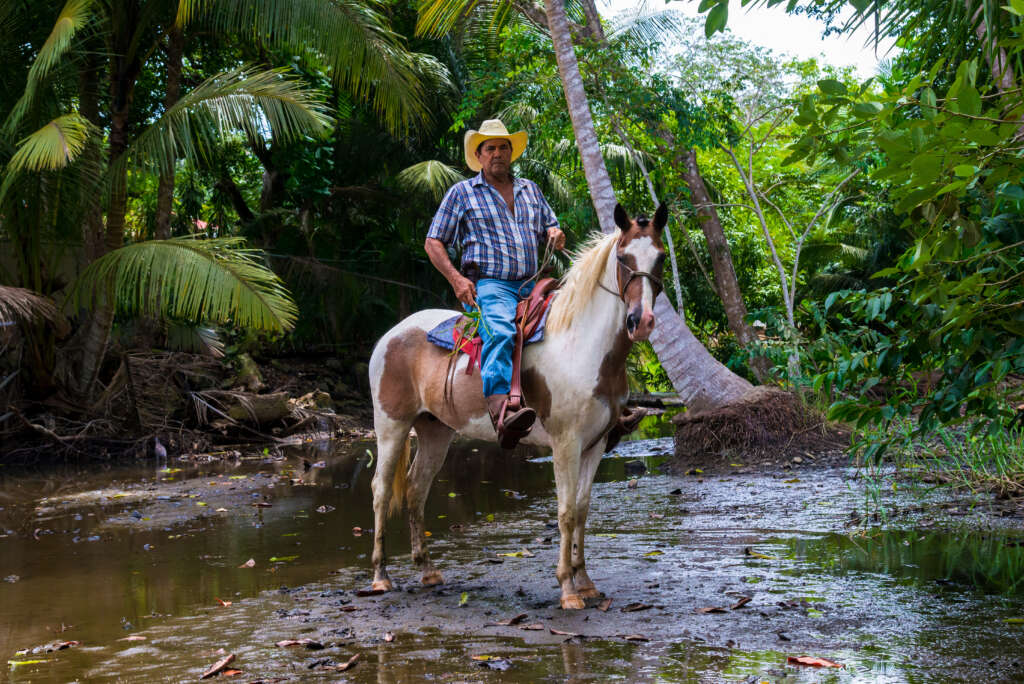
What sets Guanacaste apart from other provinces isn’t just its geography; it’s also its vibrant cultural heritage and welcoming attitude. The region has a strong cowboy and ranching history, reflected in its cowboys (or “llaneros”), traditional music, and rodeos. This “pura vida” spirit—Costa Rica’s signature phrase meaning “pure life”—is palpable here, infused with a relaxed, friendly vibe that makes visitors feel at home instantly.
Guanacaste’s cuisine is another distinctive feature. Traditional dishes like “gallo pinto,” fresh seafood, and regional specialties such as “Olla de Carne” (beef stew) reveal the province’s cultural influences and bounty of natural ingredients. Local festivals, especially during the dry season, celebrate the region’s heritage with music, dance, and colorful parades, providing an authentic glimpse into Guanacaste’s identity.
One of the main reasons travelers flock to Guanacaste is its accessibility and hospitality infrastructure. The province’s main city, Liberia, is home to the Daniel Oduber Quirós International Airport, making it easy to reach from North America and Europe. In addition, the region offers a range of accommodations—from luxury resorts to eco-lodges and budget hostels—ensuring that every traveler’s needs are met.
Guanacaste also plays a vital role in conservation and eco-tourism. Several protected areas and wildlife refuges promote sustainable tourism, allowing visitors to observe diverse species like howler monkeys, scarlet macaws, and sea turtles. Playa Grande and Tortuguero, in particular, are known nesting sites for sea turtles, emphasizing the region’s importance for conservation efforts.
While other provinces have their charms—San José’s cultural buzz, Limón’s Caribbean rhythms, Heredia’s colonial charm, Puntarenas’s maritime allure, and Alajuela’s natural beauty—Guanacaste offers a unique blend of sun-drenched beaches, volcanic landscapes, and a relaxed cowboy spirit that makes it truly distinctive. Its climate, natural beauty, warm hospitality, and adventurous options create an irresistible destination for those seeking both relaxation and adventure.
In conclusion, Guanacaste stands out not just within Costa Rica but as a premier tropical destination in Central America. Its stunning coastlines, natural parks, and rich cultural legacy make it a must-visit for anyone looking to experience the best of what Costa Rica has